

The Importance of Fascias and Soffits and Guttering
Fascias, soffits and various roofline elements are crucial. They keep pests and water from the house as well as the roof, and keep dampness at bay.
These boards are made out of aluminium, wood or uPVC. They are designed to stand up to extreme weather conditions. They can be vented to assist with airflow and reduce humidity inside the home.
Guttering
Guttering is a crucial element of any roofline. It serves a variety of functions, such as protecting against water damage on the exterior and inside of the home. Gutters can also be used to shield the soffits and fascias from rot and mold. If you're planning to install new gutters or to replace old ones, you should know the importance and benefits of these features.
Soffits are vertical boards that are placed underneath a roof and are usually made of uPVC or aluminum. They are essential for protecting the roof edges and to ensure that the bottom row of tiles is securely attached to rafters. They are also useful for providing ventilation and ensuring that moisture doesn't get into the roof structure.
Fascia boards are long, straight, and flat pieces of timber or uPVC that are laid along the lower edge of the roofline. They are attached to the end or rafter tails roof trusses, and are used in conjunction with the soffit board to support the bottom row roof tiles and the guttering system.
A fascia board can also be used to cover unsightly holes in the roofline, and also to give the exterior of the building an attractive appearance. They can be stained or painted to create an individual style or appearance.
The most popular type is uPVC. It is durable and requires little maintenance. It is impervious to weathering and rot and can be easily cleaned with water and soap. It comes in a variety styles and colors so you can match it with the other elements of your exterior. Wood fascias are a great alternative for those who prefer a traditional appearance. It will require regular protection, such as resealing and painting.
Downspouts
A gutter system that has downspouts can protect your home against water damage while maintaining the look of your roofline. It will help to control the amount and kind of water that flows into your home. It will also stop dampness from developing in basements and attics. Furthermore it will ensure proper drainage and ventilation of the roof space.
Downspouts are situated at the bottom of the fascia. They can be positioned to either face away from the building or towards it. They could also be fitted with a downpipe that drains discharged water into the guttering system or directly onto the ground.
Ideally downspouts should be located at least 30-40 feet away from the structure. This will ensure that the water that is discharged is at a sufficient distance from your home in order to avoid costly problems with structural integrity, landscaping erosion and interior damage. The recommended distance is even greater if there are a lot of trees or shrubs in the vicinity that are prone to dropping leaves or branches during storms.
Fascia boards are used to support the lower edge of roof tiles or shingles to provide a uniform, clean appearance along the roofline. They are usually made of aluminum, wood or uPVC and can be finished with a variety of finishes and colors.
If you notice that any of the soffit or fascia sections are peeling or flaking, it is important to have them fixed as soon as you can to prevent further damage and costly repairs. It is recommended to hire an expert if you're not in a position to repair the damage yourself. A skilled technician can repair the damaged areas, take away any debris, and ensure that your roofline is properly ventilated and waterproof.
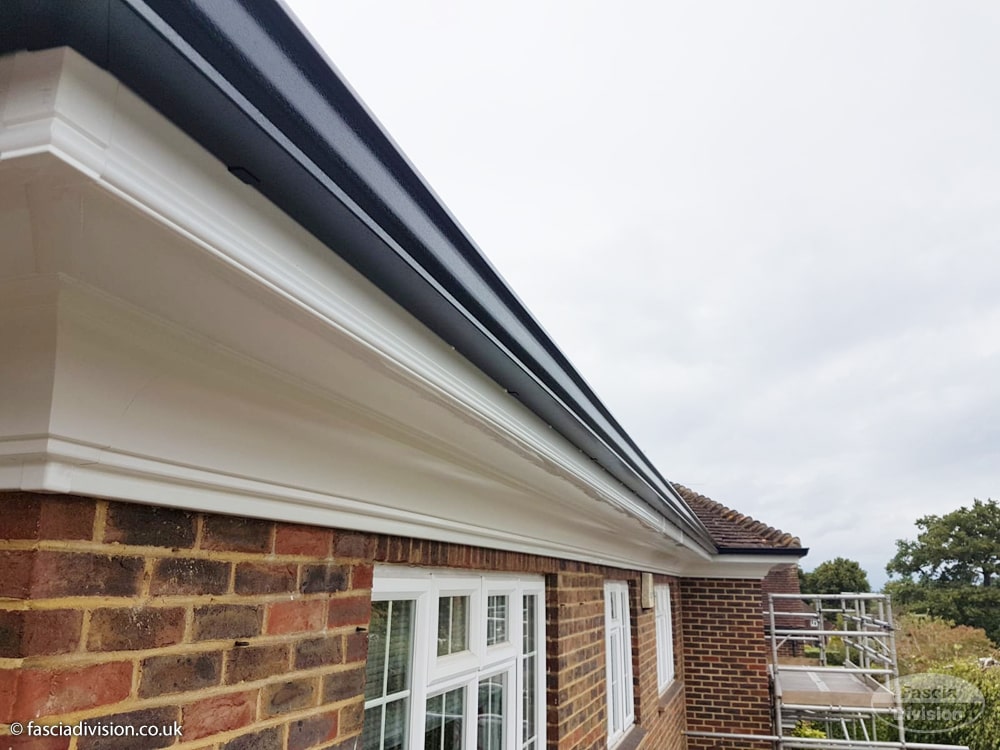
In addition to their function, ornate soffits and fascia boards will increase the value of your home. They will give your house a a finished, beautiful appearance that will impress real estate agents and potential buyers. Furthermore your new soffits and fascias will be more effective in protecting your roof and walls from water damage. Moreover, they will protect your home from pests.
Bargeboards
Bargeboards, which are the boards that are found on the gable end of roofs, can ruin or break the appearance of the roofing of a home. They are designed to keep the roof lined with a smooth surface and free of any gaps along the edges of the roofing, but they also add character and distinctive style to your home's roofline.
Bargeboards come in a variety of styles, from the traditional wooden ones to the contemporary uPVC ones. Each material comes with their own advantages and disadvantages. Wood is a popular choice among many homeowners, as it's lightweight and strong. It's important to remember that wooden bargeboards require regular maintenance, including staining and painting. These components might also need to be replaced when they get older and wear.
If you're looking for a stronger alternative, uPVC bargeboards could be the best choice for your home. Contrary to wooden boards that can are prone to rot and must be painted, uPVC does not. These boards can last up to 40+ years, depending on the manufacturer. uPVC boards will change color as time passes, particularly if they are exposed to sunlight.
Another benefit of uPVC bargeboards is that they are simple to maintain and come in a variety of colours. They can help you match them with your cladding or other exterior trim. They are more expensive, however, than other types.
It's important to make sure that your bargeboards are in line with the other roofline components like fascias, soffits and guttering. This will ensure that your roofline appears and performs to its highest quality. It is also important to have your bargeboards repaired by a professional, since they can impact the structural integrity of the roof itself.
Although the majority of bargeboards are simple to install, it is recommended to consult with a roofing expert before you decide to change them. In general, a professional will determine the proper measurements to ensure that the new bargeboards are a good fit. They will also ensure that the roof timbers are in good shape prior to installing any new elements. They will also consider any other factors that could influence the roofline of your house.
Fascia
The fascia is a trim that covers the rough edges of roof rafters and cavities. It protects the rafters from rain and provides a base for guttering to be hung. Fascia is available in a range of materials such as PVC and wood. Wood is a popular option but it is time-consuming to maintain while PVC provides a long-lasting, robust option to withstand the British weather.
Fascias can be seen from the ground so it's essential to choose the colour that matches your home and maximizes curb appeal. The good thing is that soffits and fascias are available in a broad range of colours, so you're sure to find something that will suit your home.
Whatever Fascia and Soffit Replacement sutton repairmywindowsanddoors decide on, regular inspections and cleaning are vital to prolong the lifespan and keeping your fascias soffits and guttering working correctly. If you are not confident in performing this maintenance, ask a professional roofing contractor for guidance.
Look for signs of rot or pest infestation. These are indicators that your structure isn't sufficiently protected and may cause damage to your gutters and roof. It is crucial to fix any issues with your fascias as quickly as you can before they become worse.
The right soffit and fascia can safeguard your home from structural damage and improve the overall look of your home. If properly maintained they'll last for many years and can even increase the value of your property. However, if your soffits and fascias are not well-maintained, they'll begin to deteriorate in time, resulting in expensive repairs and a decrease in property value. Therefore, ensure that you invest in high-quality fascia and soffit products and follow the advice in this article to ensure they're in good condition.